On the evening of December 3, Bohui Paper (SH600966, share price 6.23 yuan, market value 8.329 billion yuan) issued an announcement stating that it will invest approximately 1.7 billion yuan to carry out a chemical wood pulp expansion project within its existing plant. This technical renovation project will expand the company's original 95,000-ton annual chemical wood pulp to a production capacity of 320,000 tons — a substantial increase of 237%.
This marks a significant step for Bohui Paper in advancing its “raw material self-sufficiency” strategy. However, given the sizable investment of 1.7 billion yuan and the fierce competition in the paper-making industry, whether the project can ultimately reduce production costs and enhance the company’s core competitiveness remains to be seen.
Capacity Expanded to 320,000 Tons
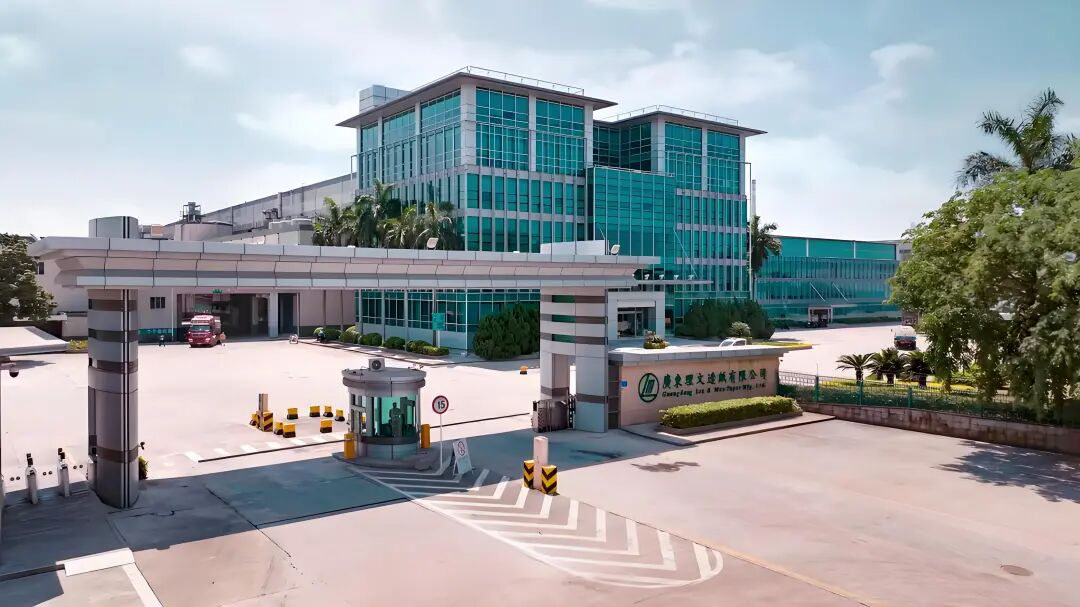
According to the External Investment Announcement released by Bohui Paper, the investment plan—named the “Chemical Wood Pulp Expansion Project”—is not merely a simple capacity increase, but a deep technical upgrade and industrial upgrade. The project will be located in the Maqiao Industrial Concentration Zone in Huantai County, Zibo City, and will renovate and expand existing production lines within the company’s current plant area.
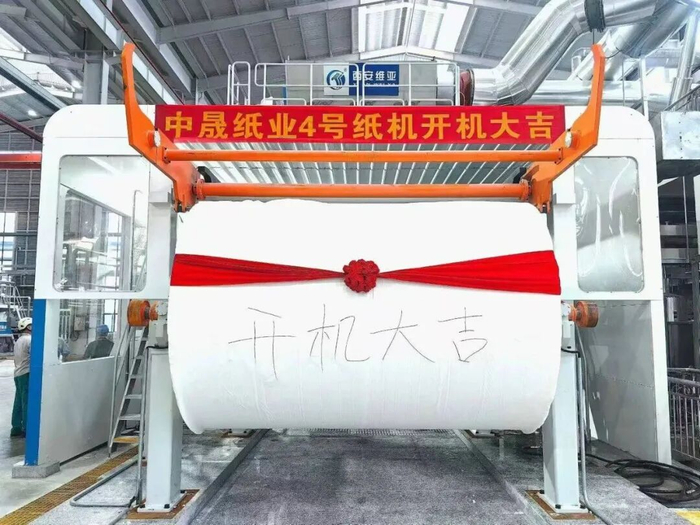
The company plans to dismantle the existing digester and build a new continuous digester with an annual capacity of 320,000 tons, along with matching single-line screening, pulp washing, oxygen delignification, bleaching, and washing equipment. In addition, the project will install one new alkali recovery boiler with a back-pressure turbine generator, while reusing one existing alkali recovery boiler also paired with a back-pressure turbine generator. Once completed, the project will expand the company’s original 95,000-ton chemical wood pulp technical renovation project to a capacity of 320,000 tons.
This project achieves not only a leap in capacity but also a pursuit of technological leadership. The announcement states that the project will adopt internationally advanced processes and equipment, equipped with state-of-the-art automation, digitalization, and intelligent systems covering production, logistics, energy, and environmental operations. This will ensure that key technical and economic indicators remain at leading levels while improving efficiency, reducing consumption, and minimizing emissions. The project aligns with principles of environmental protection and energy conservation, extends the company’s industrial chain, and enhances raw material and product diversification — all contributing to sustainable corporate development.
From a financial perspective, Bohui Paper’s decision to strengthen its upstream raw material capabilities appears particularly urgent. According to the latest Q3 2025 report, the company achieved operating revenue of 14.45 billion yuan in the first three quarters, up 3.46% year-on-year, but net profit attributable to shareholders was 121 million yuan, down 18.57% year-on-year.
Bohui Paper stated clearly in its announcement that once the project is completed, it will significantly increase the company’s self-sufficiency in raw materials, reduce production costs, and enhance its core competitiveness and overall market influence.
Project Advancement Faces Policy and Market Uncertainties
Despite the ambitious strategic vision, the 1.7-billion-yuan investment poses both opportunities and challenges for Bohui Paper.
From a financial perspective, the company noted that the project will be funded through “self-owned funds and bank loans.” According to the Q3 2025 financial disclosure, net cash flow from operating activities surged to 2.276 billion yuan, and monetary funds reached 4.035 billion yuan — more than enough to cover the investment.
However, the project still faces uncertainties related to the market and policy environment. The announcement indicates that the construction period is expected to last 24 months, with a planned start date of December 15, 2025. Bohui Paper acknowledges that project construction and ramp-up will require time, and that risks remain due to factors such as intense competition in the paper industry, potential adjustments in industrial policies, changes in national or local regulations, as well as risks of market performance falling short of expectations or delays in project progress or completion.
From the broader industry perspective, the 2024 annual report describes a landscape in which overall production and consumption have grown, but with notable structural divergence. Leading companies, supported by integrated forestry–pulp–paper operations and digital transformation, are improving efficiency and service levels while reducing product unit costs. Meanwhile, some small and mid-sized enterprises are struggling with “high costs, low profits, and slow turnover.”
In addition, in 2024, the white paperboard market showed the characteristics of a “less-than-expected peak season and a milder off-season.” The introduction of new production capacity also affected market prices.