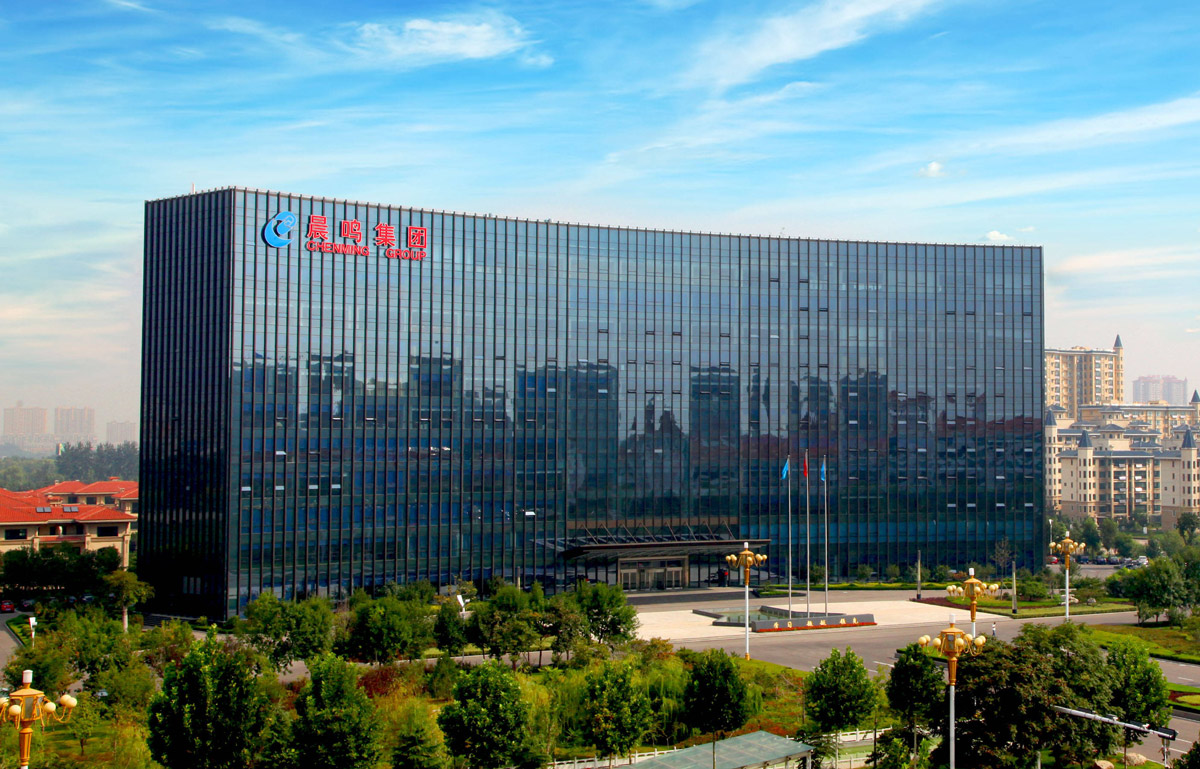
On the evening of October 30, Chenming Paper (000488) released its third-quarter report for 2026. Although the company remained loss-making in the first three quarters, it recorded operating revenue of RMB 10.747 billion, up 221.01% year on year.
The third quarter of 2026 was the first full quarter of operations since all five of Chenming Paper's production bases had resumed production. The figures now point to more than the "bottoming-out" signals seen in the early stages of the restart. Instead, several indicators show a consistent recovery: revenue has returned to the RMB 10-billion level, adjusted losses have narrowed by 70%, and operating cash flow has remained positive. The company is moving beyond the “recovery from shutdown” phase and entering a new stage in which the earnings-generating capacity of its core business is being put to the test.
Capacity Restored, Providing a Foundation for Revenue Recovery
After a period of suspended operations, Chenming Paper announced on March 13, 2026 that production had fully resumed at all five of its major bases in Shouguang, Zhanjiang, Huanggang, Jiangxi and Jilin. Revenue of RMB 10.747 billion in the first three quarters, representing year-on-year growth of 221.01%, was built on the full resumption of production at these five bases. It was therefore not merely a short-term rebound from a low comparison base.
More importantly, the improvement is also evident in profitability. Net profit attributable to shareholders of the parent company, excluding non-recurring items, was a loss of RMB 1.683 billion, representing a 71.04% reduction in losses year on year. In the third quarter alone, the adjusted net loss narrowed 72.60% year on year to RMB 593 million. Once the effects of non-recurring gains and losses are excluded, the direction of the core business’s improvement is clear.
The recovery in gross margin directly reflects the cost-dilution benefits of the integrated pulp-and-paper production chain operating at full capacity. The company's gross margin rose by 55.38 percentage points year on year in the first three quarters. This improvement came amid an industry-wide environment in which paper prices remained near cyclical lows. It suggests that lower costs and greater efficiency were not simply gifts from a stronger market, but resulted from improvements in operational management, optimized production consumption, a more streamlined supply chain and the release of economies of scale.
Improvement in Both Operating and Investing Cash Flow; Debt Waivers of More Than RMB 1 Billion Take Effect
Changes in cash flow from operating and investing activities provide another layer of evidence supporting the recovery.
Net cash generated from operating activities totaled RMB 384 million in the first three quarters, down year on year. The decline, however, was not caused by weaker collections from customers. Rather, with all five production bases operating at full capacity, purchases and stockpiling of raw materials expanded in line with production and sales volumes. Such spending is an accompanying feature of the recovery in business scale. The fact that operating cash flow remained positive in itself indicates that the core business continues to have a solid foundation of cash collections from sales.
The more significant signal came from investing cash flow, which improved from negative RMB 464 million in the same period last year to positive RMB 429 million. This was partly attributable to proceeds from the disposal of equity interests and creditor's rights by subsidiaries. It also reflects the company's continued concentration of resources on its core pulp-and-paper operations following the orderly divestment of non-core assets.
During the reporting period, Chenming Paper also received favorable debt-related news: approximately RMB 1.044 billion of debt owed to its controlling shareholder and government-backed platforms was waived. The waivers were unilateral, unconditional and irrevocable, pulling the company back from the brink of having negative net assets. Compared with extending debt maturities, waiving principal directly sends a clearer signal and has a more tangible effect on strengthening the capital base.
At the same time, the cumulative benefits of interest-rate reductions and maturity extensions continued to materialize. Financial expenses fell to RMB 868 million in the first three quarters, easing the pressure from interest payments and narrowing the drag that financing costs place on operating profits.
Product Mix and Overseas Sales Improve
The paper industry remains in a prolonged downturn and is still near the bottom of its cycle. Chenming Paper, however, has a number of measures at its disposal and has been adjusting both its product mix and overseas sales channels. Higher-value-added products, including industrial paper and food-packaging paper, are gradually gaining volume. Overseas channels are moving from recovery-driven order-taking toward more normalized operations, while the share of revenue generated overseas has risen significantly, helping offset the impact of the domestic paper-price cycle.
The recovery in revenue demonstrates that the company's production-capacity base is back in place; cash flow shows that its core business has regained a basic ability to generate cash internally; and the debt waivers demonstrate that its capital position can be repaired. Taken together, these developments mean Chenming Paper has passed one of the most dangerous stages.
The key question from here is whether continued cost reductions and efficiency improvements can translate into positive gross margins for its major paper products, and whether new products and overseas channels can grow from supplementary sources of incremental revenue into pillars of profitability. The path from recovery to a return to profit is now taking shape, but the pace of progress remains to be tested over time.